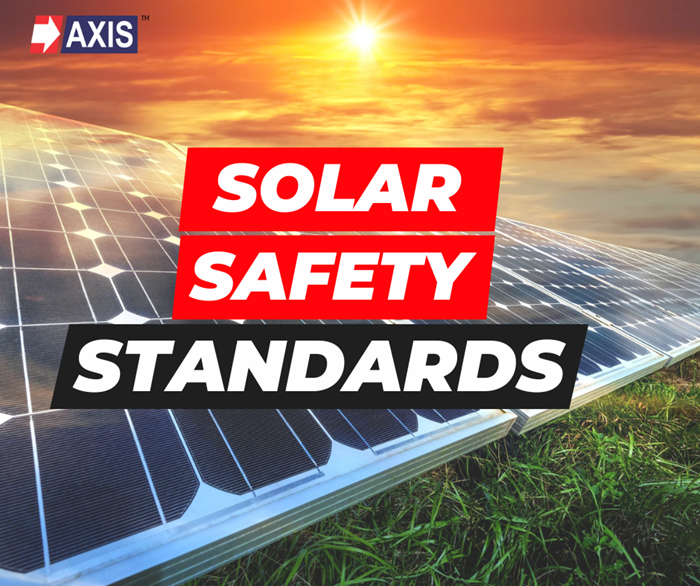
Components To Protect Your Solar Project
1. Bimetallic Lugs
A lug is a component used to connect an electrical cable to equipment or a busbar. In solar plants, bimetallic lugs are installed inside the combiner box, to ensure electrical safety. These lugs should comply with:
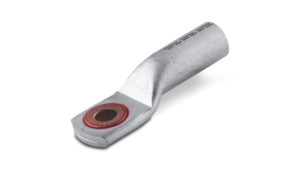
IEC 61238 – Part 1:
This standard specifies the requirements for electrical connectors and lugs. It tests how well the lug maintains its electrical connection under mechanical stress, temperature changes, and vibration. It also verifies that the lug does not degrade when subjected to thermal cycling and moisture exposure. Ensuring they will perform reliably in harsh environments.
UL 486 A – 486 B:
This standard ensures wire connectors perform reliably under thermal cycling, electrical stress, mechanical loading, and environmental exposure. These tests verify your lug is safe for electrical installations. Apart from compliance, your Bimetallic Lugs should be friction welded, which creates a metallurgical bond and prevents corrosion.
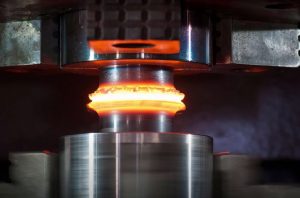
Since bimetallic lugs are a combination of aluminum and copper, ensure:
- The copper is ETP grade with 97% minimum IACS copper conductivity.
- The aluminum is EC grade with 60% minimum IACS conductivity.
Avoiding these specifications will compromise the safety of your solar plant. Bimetallic lugs manufactured at Axis, meet all these standards and specifications.
2. Glands
A cable gland is a component used to seal and secure cables entering an electrical enclosure or combiner box. In solar plants, glands must be heavy duty, weatherproof, and flameproof to protect against harsh environmental conditions. To ensure electrical safety, these glands should comply with:
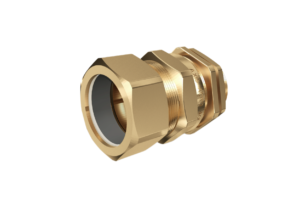
IEC 60079:
This standard specifies requirements for flameproof glands. It covers the construction and testing of glands, designed to use in explosive atmospheres. This test ensures your gland can withstand internal explosions and pressure without compromising safety.
IEC 60529:
This standard tests how well your gland seals against water and dust ingress in harsh outdoor conditions. It should have minimum IP 67 rating. Axis glands have IP 68 compliance, which provides even greater protection in submerged or extremely humid environments.
BS 6121:
This standard ensures armour glands connect armoured cables to enclosures. It maintains mechanical integrity under installation stress. It also withstands extreme temperatures and corrosive atmospheres.
Axis Glands maintains a minimum plating thickness of 10 microns, which ensures long-term corrosion protection.
Talk to our engineers!
3. Earthing
This is a process of connecting your structure’s electrical system to the earth. It provides a low-resistance path for fault currents, protecting your equipment from damage.
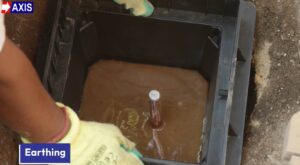
To ensure your solar project’s earthing system is safe and durable, your materials should comply with the following standards. These materials include Earth Rods, Clamps, Pits, and Compound.
IS 3043:
This is the main Indian standard for earthing. It explains how to design, install, and test earthing systems for electrical installations. It covers soil resistivity, electrode sizing, conductor selection, and testing methods.
IS 1772:
This standard specifies the material requirement for copper, copper alloy earth rods and plates for earthing. It defines the material properties, dimensions, mechanical strength, and electrical conductivity that your earth electrodes must meet for ensuring electrical safety.
UL 467:
This UL standard defines the testing and performance requirement for grounding and bonding equipment. It focuses on conductivity, corrosion resistance, and mechanical strength to meet internationally accepted quality benchmarks.
4. Lightning Protection System
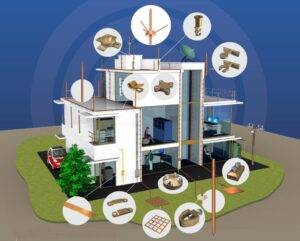
This system protects your structures and equipment from lightning strikes and the resulting surges. Let’s understand the standards that will protect your solar projects from lightning. We will start with Conventional Lightning Protection followed by the ESE technology.
Conventional Lightning Protection
IEC 62305:
IEC 62561 – Part 1 to 8:
This standard defines the performance and testing requirements for all components in an External Lightning Protection System. It covers air terminals, clamps, conductors, earth rods, joints, and test points. These standards apply across your system -covering materials, installation methods, and component testing.
ESE Lightning Protection:
NFC 17-102:
This French standard explains how to select, place, install, and maintain Early Streamer Emission Lightning Arresters. It provides methods to decide the protection area and layout based on site conditions.
We hope you now have a brief understanding of the standards that will protect your solar project. Majority of tests we mentioned are performed at our NABL accredited and UL approved inhouse Testing Lab. We never compromise on quality, which is why millions of our solutions are installed in Solar projects across the world.
We have a team of 50+ engineers who are here to help you in designing, installing and testing your Lightning Protection Systems.
Thank you for reading and if you found this informative, then feel free to contact us to get a quote or to know more about our products; visit our product section at https://axis-india.com/products/