
What are Covered Conductors?
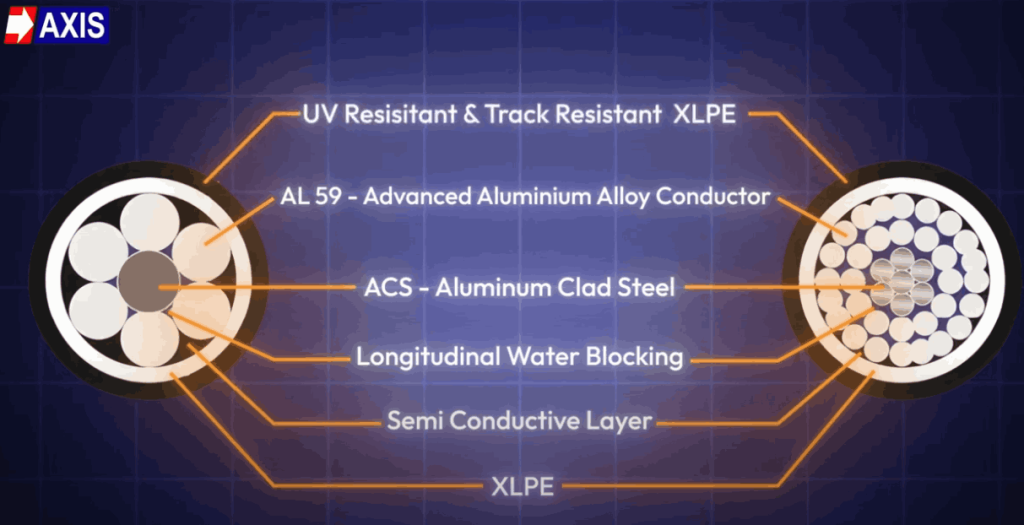
At the centre is the aluminium conductor.
- It is usually made from AL 59 or ACS. This is the part that carries the current.
- Around that, there is a semi-conductive layer and a longitudinal water-blocking layer. These layers prevent moisture from entering and keep the current path stable.
- The outer part includes one or more layers of cross-linked polyethylene, also called XLPE. These layers protect against sunlight, heat, and electrical tracking.
- The outer most jacket is UV-resistant and track-resistant. This is what makes the cable survive in open air, near trees, or in polluted areas without breaking down.
This layered construction makes covered conductors safer, more reliable, and better suited for areas with vegetation, wildlife, or harsh weather.
In simple words, the industry uses them in Electrical Power Transmission & Distribution because they:
- Increase the reliability of distribution and transmission lines.
- Reduce power losses in utilities.
- Protect against water ingress and sunlight with insulation coating.
- Keep animals and people safe from shocks while reducing power cuts.
These conductors come in different sizes, like 55, 70, 100, 148, and 240 mm², based on the current-carrying requirement and the mechanical load they handle. For example:
- 55 and 70 mm² conductors are common in rural lines.
- 100 mm² are used in moderate load lines or industrial feeders.
- 148 and 240 mm² are used in long-span lines, high-load areas, or near substations.
Each conductor requires accessories that match the electrical and mechanical performance. Without them, even the best conductor cannot perform optimally. For example, a covered conductor may carry current well but still fail if it cannot handle the line tension. That happens when there is not enough mechanical support. Think of a covered conductor like a strong rope. Unless you hold it at both ends and grip it properly, it cannot do its job. One wrong clamp or connector can cause serious damage.
Next, let’s understand the accessories.
MV Covered Conductor Accessories
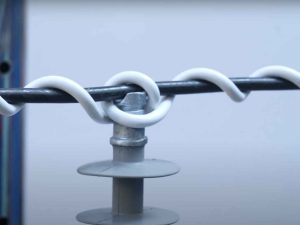
This tie secures the covered conductor to the insulator. It holds the conductor in place without peeling off insulation. You will find it installed where the line needs support but does not terminate. It is made from UV-resistant engineered polymer and engineers prefer it over metal ties. Metal ties press too hard and crack the insulation over time. In contrast, polymer ties spread the grip evenly and protect the insulation. The tie works with conductor sizes from 55 to 240 mm². Its helical grip adjusts itself based on the diameter and holds firmly without stress points.
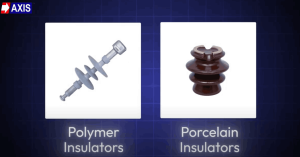
It also works with both polymer and porcelain insulators. So, whether you are building rural lines with lighter conductors or urban feeders with heavier ones, this tie adapts to your setup and holds the conductor securely in place.
2. Tension Clamp:
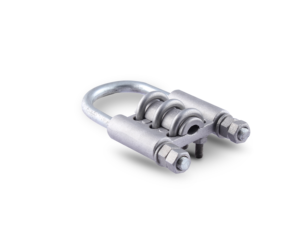
The tension clamp anchors the covered conductor at the end of a line or where the line changes direction. It holds the conductor under mechanical tension and prevents slipping or sagging. Its aluminium alloy body resists corrosion, and the UV-stabilised plastic wedges grip the conductor firmly without peeling insulation. The self-adjusting wedge mechanism tightens automatically as tension increases. This design distributes load evenly without pinch points. The clamp fits multiple conductor sizes and installs quickly with fewer tools.
3. Suspension Clamp:
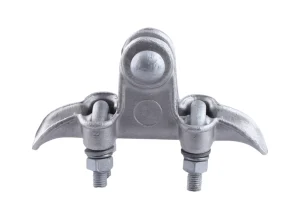
As we discussed, covered conductors have insulation layers of water blocking material, XLPE insulation and many other things. All of this makes the conductor stronger, but also bulkier than bare conductors. The suspension clamp holds this cable safely between two poles, without crushing or damaging the outer layers. It uses a wide, curved surface to grip the insulated cable. Therefore, even under windy conditions, the clamp supports the weight without cutting into the insulation. This makes suspension clamps ideal for covered conductors, especially in areas with long distances between supports or where sag control is important. If you are finding this video helpful, please subscribe to our channel for more insightful videos on Electrical Engineering.
Talk to our engineers!
The IPC is used to join two conductors without removing their insulation. It creates a live connection by piercing through the outer XLPE layer and making direct contact with the inner conductor. This is possible because the connector has specially designed metal teeth that cut through the insulation without damaging the core. IPC is a safer and faster way to make connections on site, especially with covered conductors that cannot be stripped easily. It also reduces the risk of human error and makes installation possible even in live systems.
There are three main types of IPC, each designed for a specific purpose.
- The first is Covered to Covered.
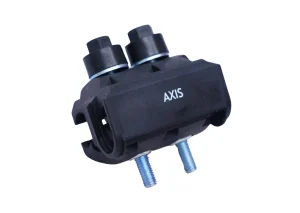
This is used when you need to tap power from one covered conductor to another. It is common in network extensions or T-connections.
- The second is Bare to Covered.
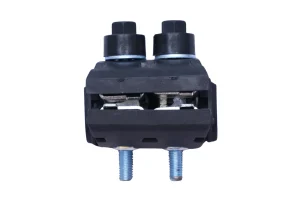
This is useful when you are upgrading old lines. It connects an existing bare conductor to a newer covered one, helping extend or retrofit an existing system.
- The third is For Earthing.
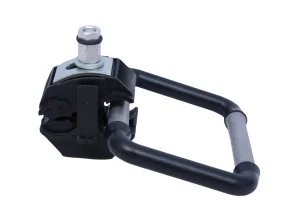
This type is used during maintenance or installation when the conductor needs to be grounded. It ensures a safe discharge path without stripping the insulation.
5. Arc Protection Device:
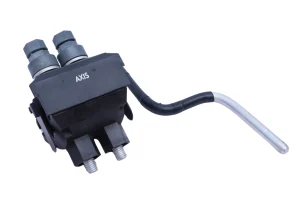
This device is a safety component used in covered conductor systems. It is designed to protect the line and hardware from damage caused by electric arcs, especially during faults or short circuits. These conductors have insulation, but it can still burn or melt if arcing occurs. The arc protection device blocks the arc from reaching the insulator or the conductor clamp. It acts like a shield, taking the impact and keeping the rest of the system safe. This device fits between the conductor and the insulator, absorbing heat and mechanical stress caused by faults. It is built from strong polymer materials and has a metal stud to redirect the fault current safely.
6. Midspan Joint:
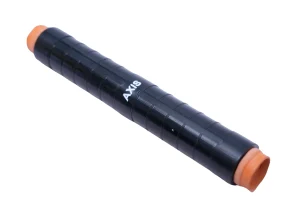
The midspan joint connects two pieces of conductor along a straight run. It restores both mechanical strength and electrical continuity without disturbing the insulation system. Inside the joint is an aluminium sleeve that carries the current. Around it is an outer layer made of polymer or heat-shrink material. This protects the joint from moisture, sunlight, and mechanical wear. It ensures that even after a cut or a fault, the line stays safe and fully operational.
We hope you now have a clear idea about Covered Conductors and their Accessories. Axis MVCC solutions perform well across all standard conductor sizes, from 55 to 240 mm². At Axis, we are proud of our contribution to rural electrification projects in more than 80 DISCOMs across India, Africa and the globe. Axis products were critical to the success of government schemes like SAUBHAGYA and currently during RDSS as well, playing a key role in enhancing electrical infrastructure.
Thank you for reading and if you found this informative, then feel free to contact us to get a quote or to know more about our products; visit our product section at https://axis-india.com/products/