What are Insulation Piercing Connectors?
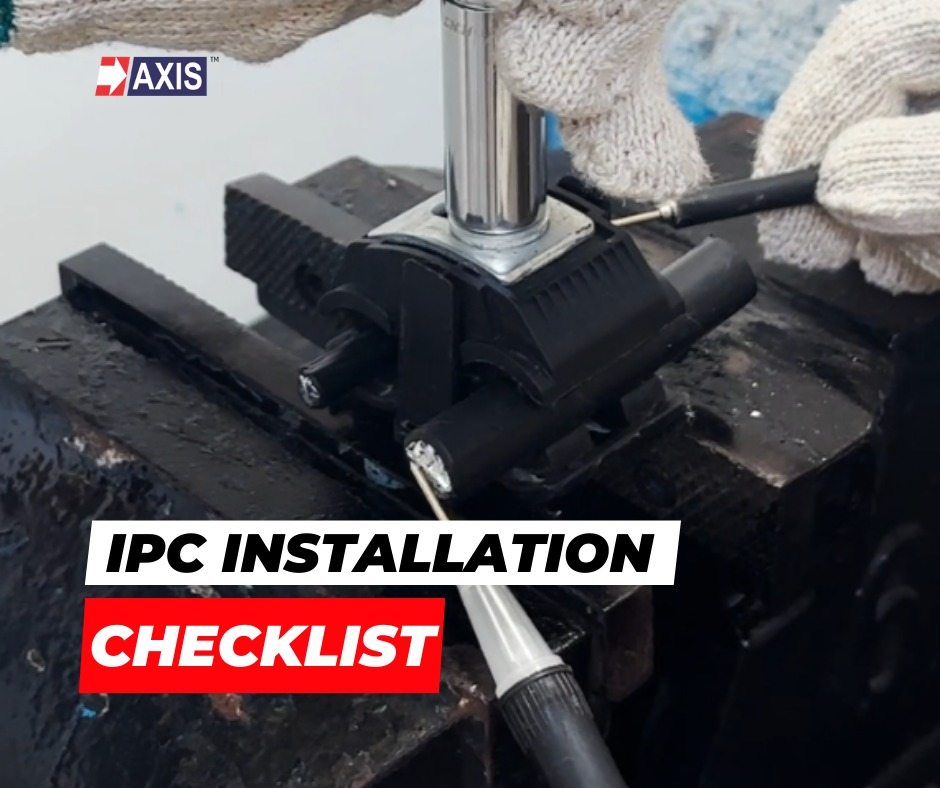
IPCs are used to connect two insulated cables without stripping the insulation. When you tighten the bolt, sharp metal teeth inside the connector pierce through the insulation and make contact with the conductor. This creates a secure, low-resistance, and waterproof electrical connection in Low Voltage Aerial Bundled Cable System.
The Checklist
1. Product Specification and Performance Standard
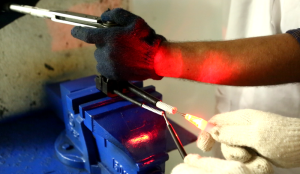
These standards define the connector’s electrical, mechanical, and sealing performance. They ensure the connection stays watertight, maintains low contact resistance, and performs safely under load. Always ask for test certificates that confirm compliance. All LV IPCs manufactured at Axis are tested and approved as per NFC 33-020.
2. Correct Connector Model Selection
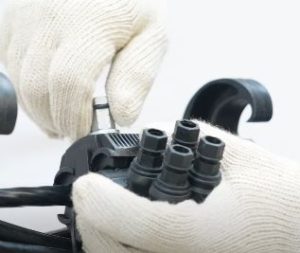
Before installing an Insulation Piercing Connector, you must match the connector to the correct cable size. Different connectors are designed for different conductor sizes and insulation thicknesses. If you use a connector that is too small or too large for the cable, the piercing teeth will not make adequate contact and the insulation will get damaged. The result can be a loose connection, higher resistance, or even failure under load. Choose the connector size exactly as per the datasheet.
3. Proper Cable Identification
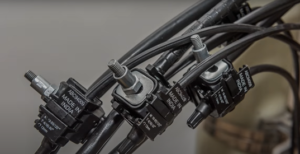
Before you install the connector, identify whether you are working on a phase conductor or the neutral messenger. In LV Aerial Bundled Cable system, there are three insulated phase conductors and one neutral messenger. The neutral carries return current and also supports the mechanical load of the bundle. Never mix them up during tapping or branching. If you install the connector on the neutral instead of the phase, the circuit will not work as intended and can cause fault, unbalanced load and power loss. Always check cable marking or position before piercing.
Talk to our engineers!
4. Endcap Installation

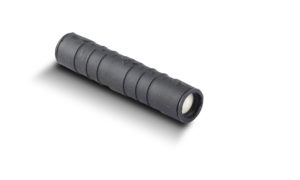
Before you tighten the connector, make sure the end cap is in place. Many installers forget it during installation. The end cap seals the open end of the connector and prevents moisture or water from entering through the branch outlet. Without it, water collects inside the connector, leading to corrosion and high contact resistance. Over time, this can cause heating or even failure of the connection. Always fit the end cap firmly before tightening.
5. Tightening of Shear Head Bolt
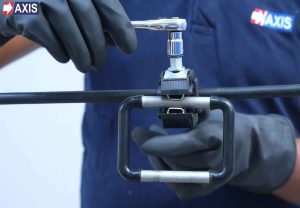
Each Insulation Piercing Connector comes with a shear head bolt. While installing, tighten the bolt until the head breaks off. This break point is designed to give the required torque for adequate contact pressure. If you stop before it breaks, the connector will stay loose and create high contact resistance. If you over-tighten using extra tools after it breaks, you can damage the teeth or deform the housing. Tighten only until the shear head breaks, for a secure and reliable connection.
6. Engineering-Grade Plastic
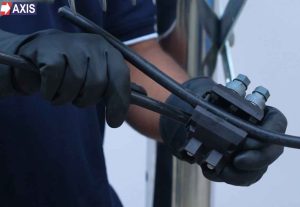
Do not accept Insulation Piercing Connectors made from random or low-quality plastic. Engineering-grade plastic is UV and weather-resistant, providing strength and durability. It can withstand extreme conditions without degrading. Low-quality plastic will crack and fail under stress. This compromises your connector’s ability to grip the cable securely.
7. Do not use IPC as a Midspan Joint
Insulation Piercing Connectors are designed for non-tension applications. They are meant to distribute power by tapping from the main line, not to join two cable ends. When a cable breaks or needs to be extended, installers use an IPC to connect the two ends. It cannot take mechanical load and will fail under tension. For such cases, always use a mid-span joint or compression joint that is tested for tensile strength. Use IPCs only for branching or distribution.
We hope you now have a clear understanding of what to check before buying and installing Insulation Piercing Connectors.
At Axis, we are proud of our contribution to rural electrification projects across India, Africa, Latin America and the globe. Axis products are critical to the success of government schemes like SAUBHAGYA and currently running RDSS as well, playing a key role in enhancing electrical infrastructure.
Thank you for reading and if you found this informative, then feel free to contact us to get a quote or to know more about our products; visit our product section at https://axis-india.com/products/