Category: Earthing & Grounding

Grounding Rod Installation

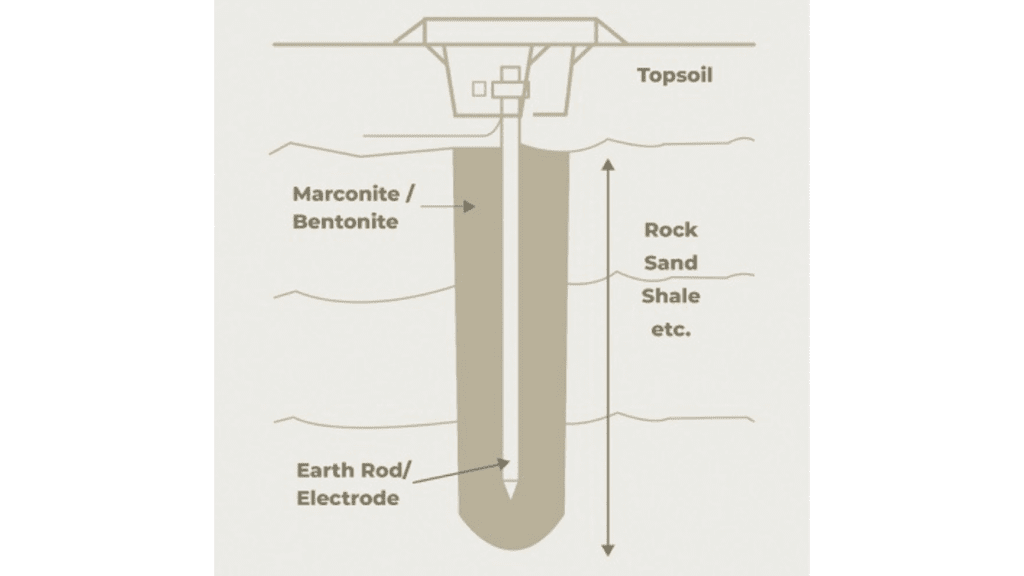
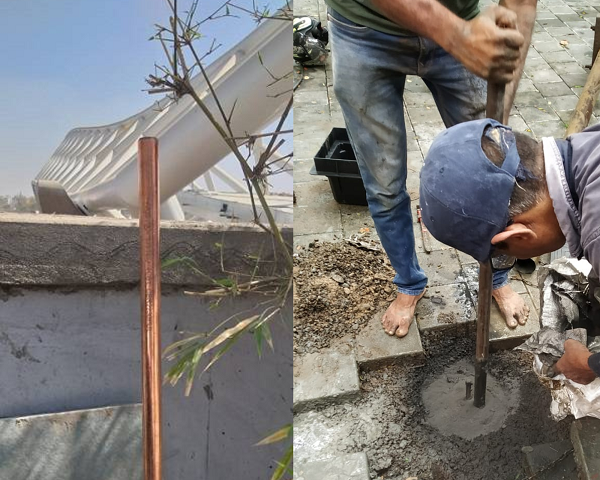
Ground Rod Installation – Step by Step Procedure Explained

What are Ground Rods? Ground rods are a crucial component of the earthing system. They are highly conducting metallic rods that are buried deep into the soil and play a significant role in protecting the electrical system from over-current and related damages. Ground rods are typically made of solid copper, ...

Read More
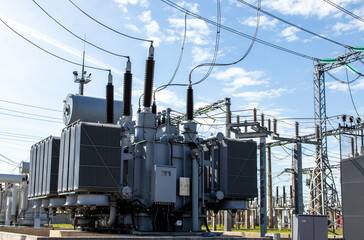
Earthing for transformer

Why is Earthing For Transformers So Important?

Distribution Transformers are an important component of the power distribution network. They play a major role in providing an uninterrupted power supply to consumers. They are one of the most reliable components of the power grid, yet there can be situations where they fail. Electrical damages are one of the ...

Read More
NFPA 780

NFPA 780 – A Brief Study On The Lightning Protection Standard

The latest 2023 edition of NFPA 780 covers traditional lightning protection techniques for a wide range of structures such as ordinary buildings, structures of wind turbines, watercraft, and those with flammable and explosive materials. The purpose of the standard is to safeguard persons and property from hazards arising from exposure ...

Read More
Earthing compound

Role of Earthing Compound in Soil Enhancement

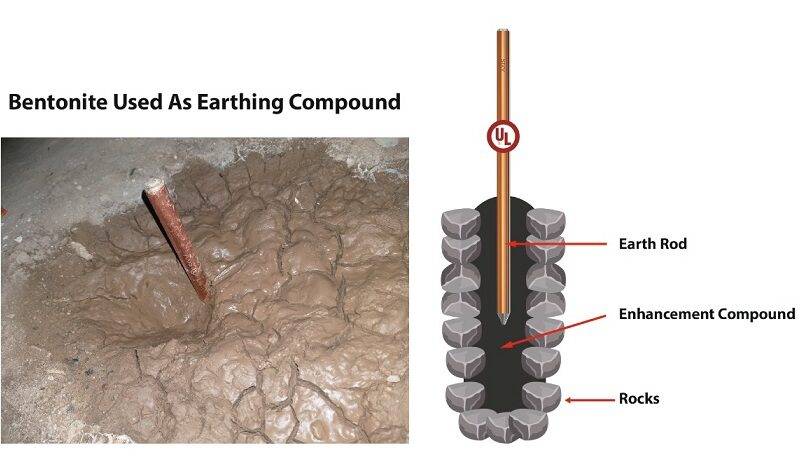
The earth resistance value is a major concern when dealing with earthing of any structure. Earth resistance measurements and the use of earthing compounds helps to identify and achieve a recommended earth resistance for a structure. We know that soil resistivity is the prime factor contributing to the earth resistance ...

Read More
Electroplating

The Electroplating Process for Earth Rods

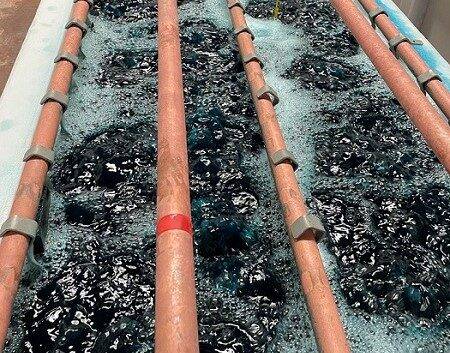
The process of electroplating is to coat a thin layer of metal on another metal to improve its physical and chemical properties. This is usually done by applying a direct electric current which helps to create a strong chemical bond between the two metals.   Electroplating is generally done for two ...

Read More
Electrical Safety Auditing

Electrical Safety Auditing – Methodology & Scope

  We often hear about electrical accidents in commercial buildings, industries, and other facilities that cause huge losses like equipment, infrastructure and even human lives. These accidents often result from faulty or unsafe electrical practices or unnoticed worn-out electrical systems. The severity of the accident is increased with the absence ...

Read More
Earth Mats

Earth Mats – Why do we need them?

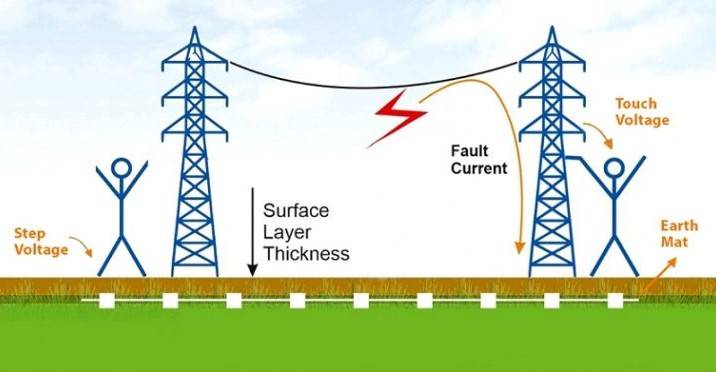
An Earth Mat is a mesh formed of bare metallic conductors and buried in shallow soil to provide better safety from touch and step potential. Earth mats are a part of the grounding system implemented in substations, production plants, industrial areas, etc., where high power handling occurs. More efficient grounding ...

Read More
Pipe Earthing

Pipe Earthing VS Chemical Earthing – Explained with Diagram

Electrical circuits are involved with an adequate amount of energy to cause electric shock hazards in case of a fault. A fault can occur due to power surges, leakages due to faulty equipment, lightning strikes hitting directly or indirectly and so on. So it is necessary to focus on the ...

Read More
Earthing - Bonding

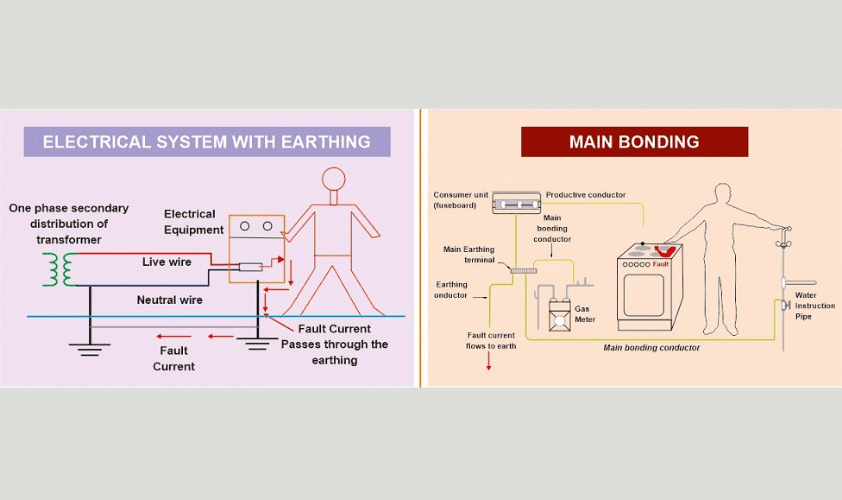
How are Earthing and Bonding different?

Earthing and bonding are two technical terms we come across when we deal with the safety aspect of an electrical system. We have all heard about earthing that is done for safety purposes during the electrical installation, but do we give much thought when it comes to electrical bonding. Both ...

Read More
Earth Pit

Earth Pit – Technical Aspects & Construction

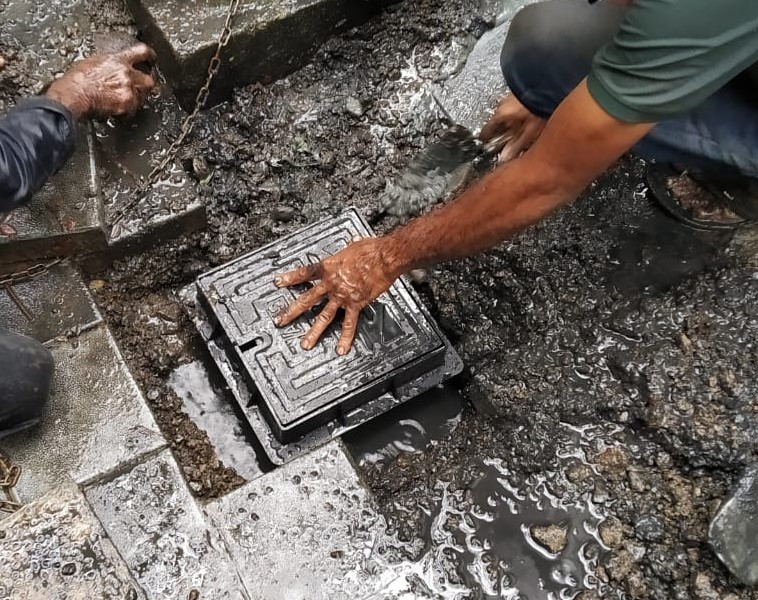
An Earth Pit is a type of enclosure used in earthing systems to access and maintain the earth electrodes and other components of the earthing system. It is a type of underground box, typically made of reinforced concrete, that is installed at the site of the earthing system. The Earth ...

Read More
Documents selected
Loading...
Click to access the login or register cheese