Tag: Anchoring Clamps

Down Conductor

Role of Down Conductors in Lightning Protection

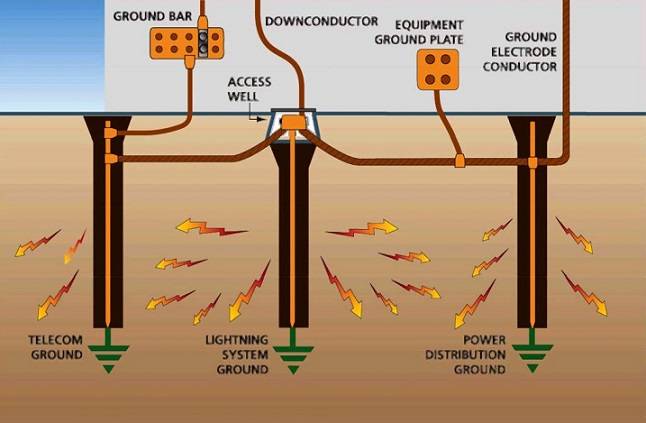
The electrically conductive connection between the air-termination system and the earth-termination system is the down conductor system. The purpose of down-conductor systems is to safely transport intercepted lightning current to the earth-termination system without causing excessive temperature spikes that could harm the structure. It must be mounted to ensure that ...
Read More

Installation of Lightning Conductor – Step by Step Guide

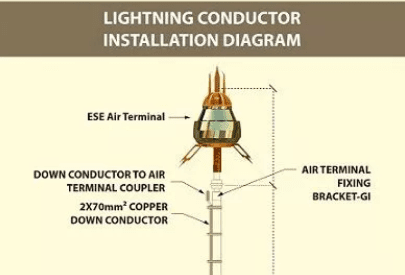
What is a Lightning Conductor? A lightning conductor is a thick copper wire or rod fixed onto the tallest point of a building and connected to the ground using a long metallic rod. It protects the building from lightning strikes by providing a low resistance path for the current to ...

Read More

Anchoring Clamps for MVCC – Installation Process

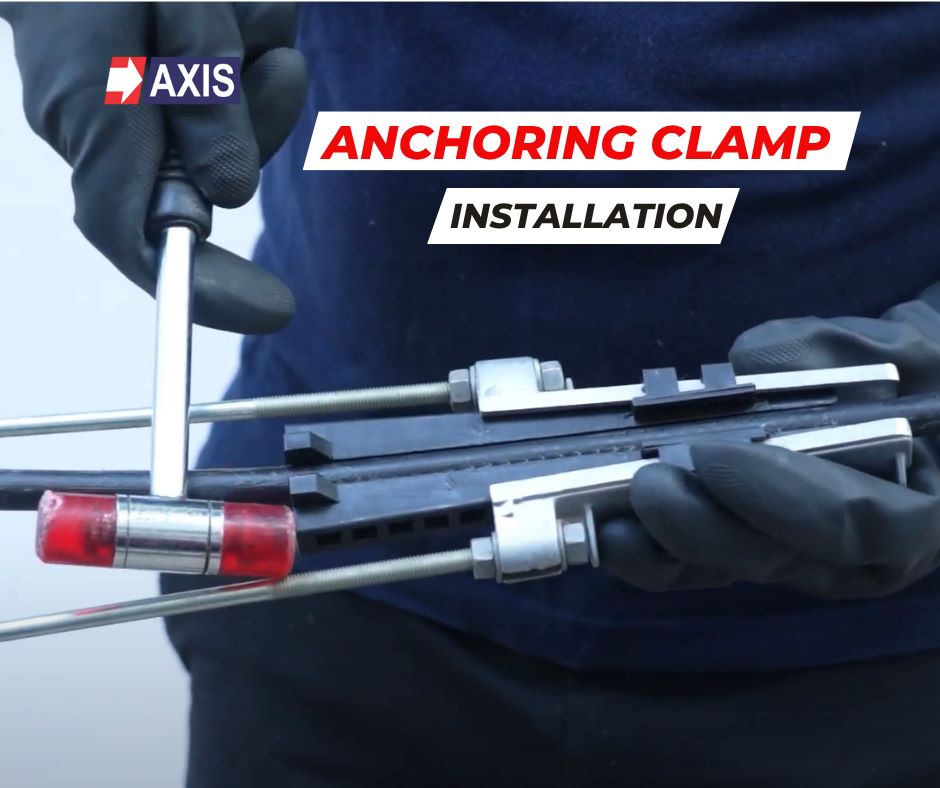
Anchoring clamps are key components in Medium Voltage Covered Conductor (MVCC) systems, used to securely terminate and support conductors at poles or structures. They ensure mechanical stability without damaging the conductor’s insulation, even under high tension. Designed for outdoor durability, these clamps are essential for safe and reliable MV overhead ...

Read More
Single Line Diagram

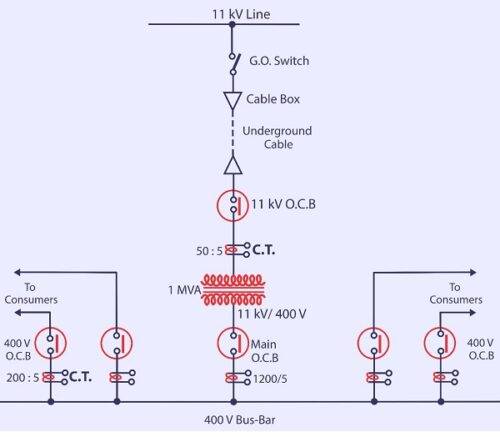
Single Line Diagram for Substation – Detailed Explanation

What is a Single Line Diagram? A single line diagram also called the one-line diagram is a symbolic or graphical representation of a three-phase power system. It has a diagrammatic representation of all the equipment and connections. Standardized schematic symbols represent electrical elements such as circuit breakers, transformers, bus bars, ...

Read More
TNS Earthing System

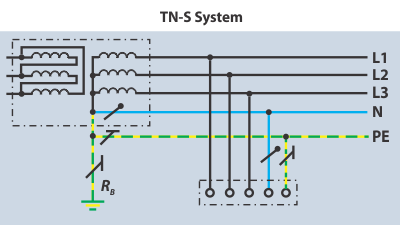
What is TNS Earthing System?

TNS (TN-S) earthing systems are vital for any electrical installation, providing a safe and reliable connection to the ground to protect people and property from electrical hazards. In this blog post, we will explore the basics of TNS earthing system, including how they work, the main components of these systems, ...

Read More
Earthing value as per Indian Standard

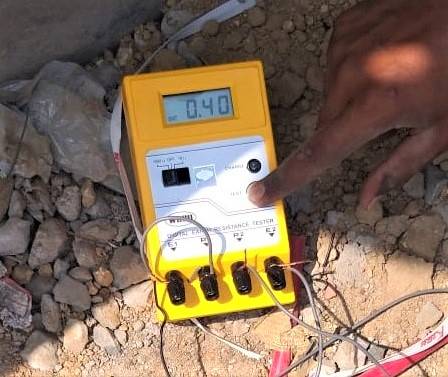
Earthing Value as per Indian Standard

Earth resistance refers to the resistance an earth electrode offers to the current flowing into the ground. Ideally, this resistance should be zero to allow fault current to flow quickly into the earth. However, achieving zero resistance is practically impossible. The earth resistance value is different in different locations. Earthing ...

Read More

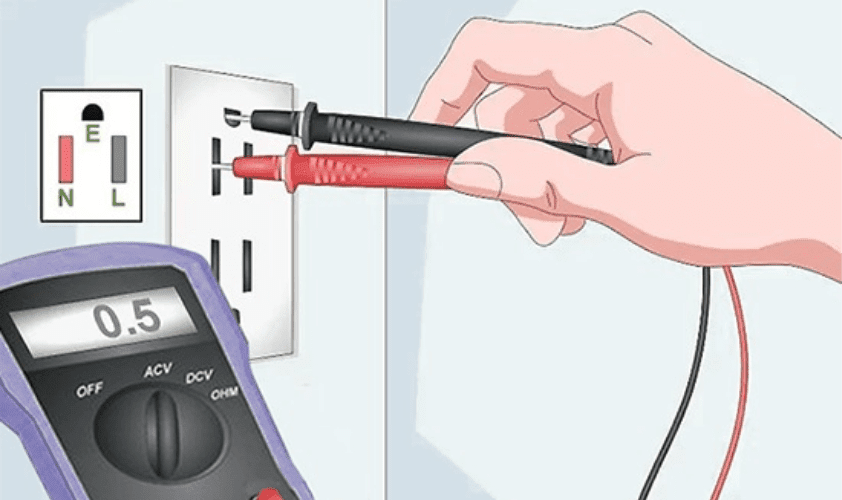
House Earthing – Design & Testing

Earthing connects all the major electrical equipment in our house such as fridge, AC, washing machine, grinder to the ground. So when there is an event of a power surge or lightning strike the extra current formed in the system is easily drawn down to the earth, protecting them from ...

Read More
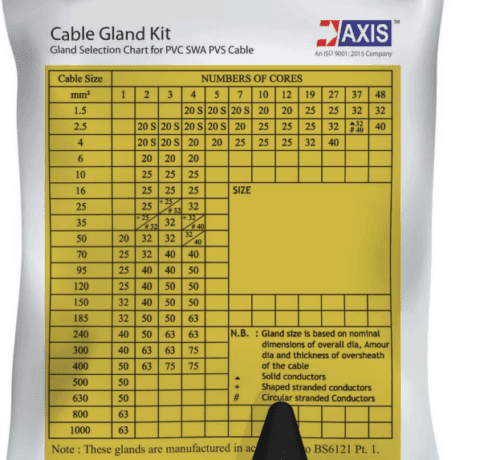
Cable Glands Size Chart

Cable Glands Size Chart – Explanation for Gland Selection

Choosing the right Cable Gland shouldn’t be a puzzle. Here’s a shortcut for you. Do you ever wonder how cables safely enter and exit electrical enclosures? A small but crucial component, the Cable Gland makes this possible. In this blog, we will discuss how to select Cable Glands from size ...

Read More
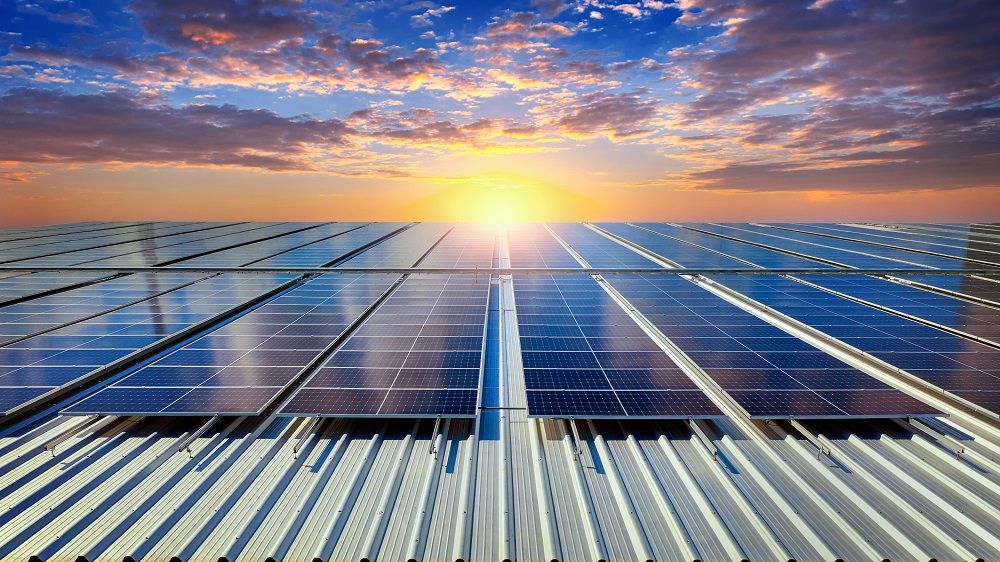
Solar farm

Why Every Solar Farm Needs Earthing?

You will spend approximately 18 to 20 crores on a 5 MW solar plant. Therefore, you need a smart strategy to produce profitable electricity and ensure your plant is safe for at least 25-30 years. What’s the secret? It’s quite simple – Earthing for Solar. Firstly, setting up a solar ...

Read More
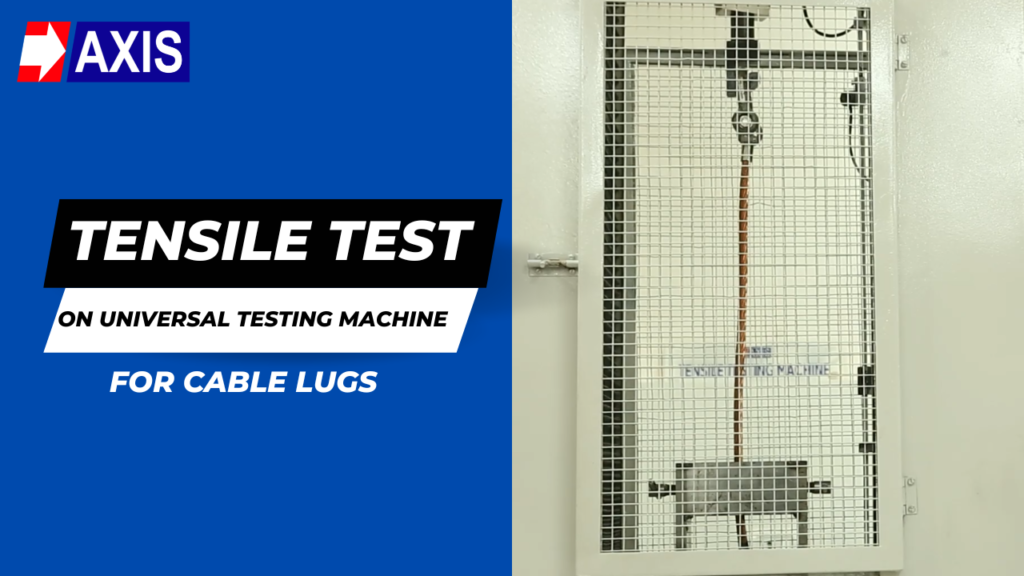
Tensile Test on UTM

Tensile Test on UTM: Video Guide

Tensile test on UTM is a common method used to evaluate the mechanical properties of materials. A tensile test involves applying a tensile load to a sample of material until it breaks or deforms and measuring the response of the material under that load. One common tool used to perform ...

Read More
Documents selected
Loading...
Click to access the login or register cheese